CFL Bulbs: Shine Brighter, Save More
To the hardworking homeowner or renter, handing over hard-earned cash to the electric company is the last thing we want to do. But taking control of your home’s energy usage doesn't require a degree in engineering or a massive renovation budget; sometimes, the biggest savings come from the smallest changes, starting right with the sockets in your ceiling.

Let’s talk about one of the most accessible tools in the battle against high energy costs: CFL Bulbs. If you are still relying on those old-fashioned, round incandescent bulbs that get hot enough to fry an egg, you are quite literally burning money. A CFL is designed to replace those energy hogs in your standard light fixtures. They are the curly, spiral-shaped bulbs you’ve likely seen in the hardware store aisle, and for years, they have represented a massive leap forward in efficiency for the average household looking to cut costs without cutting corners.
What Are CFL Bulbs
So, what exactly makes these things tick? **Compact fluorescent light bulbs** are essentially miniature versions of the long tubes you might see in an office building or a garage workshop, but twisted into a shape that fits a standard lamp. Inside that glass tube is a gas containing argon and a tiny amount of mercury vapor. When you flip the switch, electricity excites the gas, creating ultraviolet light, which then hits the white coating on the inside of the bulb to create visible light. It sounds like high school chemistry, but the result is simple: bright light for a fraction of the power.
The Benefits of CFL Bulbs
The primary reason to switch to CFL Bulbs is the math, and the math is definitely in your favor. An old-school incandescent bulb wastes about 90% of its energy as heat, using only 10% to actually create light. A CFL uses about 70-75% less energy than that incandescent bulb to produce the same amount of brightness. If you swap out a 60-watt incandescent for a 14-watt CFL, you are getting the same light but paying for significantly less electricity. Over the course of a year, swapping out the five most-used lights in your house can save you a noticeable chunk of change.
Beyond just the monthly bill, think about the hassle factor. When you are juggling work, family obligations, and weekend chores, the last thing you want to do is drag out the stepladder to change a burnt-out bulb in the hallway. CFL Bulbs generally last significantly longer than traditional bulbs—often up to 10,000 hours compared to the measly 1,000 hours of an incandescent. That means fewer trips to the store and less time spent balancing on a chair to fix a dark room, giving you more time to relax with the family.
Another underrated benefit is temperature control. We mentioned earlier that old bulbs waste energy as heat. In the summer, having a dozen incandescent bulbs blazing in your living room is like running a small space heater, forcing your air conditioner to work harder and driving your bills up even further. **CFL Bulbs** run much cooler. By keeping the ambient temperature down, you are saving money on cooling costs, which is a double win for your wallet during those hot months.
CFL Bulbs Colors and Types
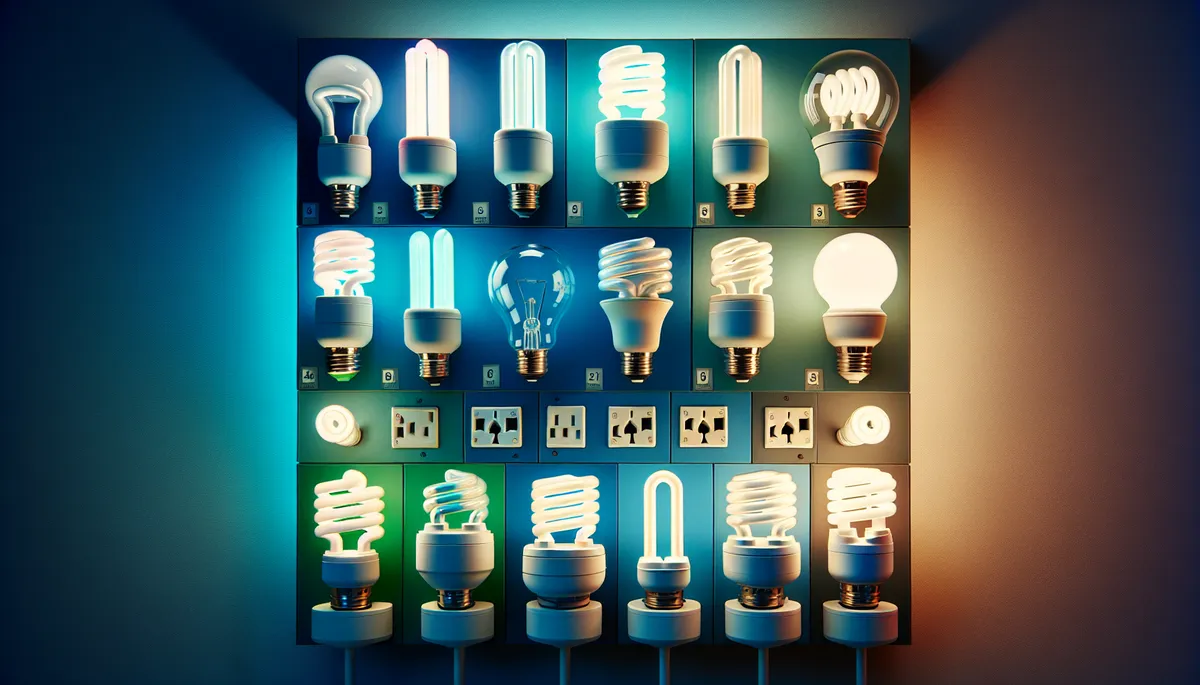
When CFLs first hit the market years ago, people complained that the light was harsh or clinical. That has changed. Today, you can find CFL Bulbs in a variety of "color temperatures." You can get "Soft White" for a cozy living room vibe that mimics traditional bulbs, or "Daylight" for the garage or laundry room where you need to see details clearly. They come in various shapes too, including covered globes that hide the spiral tube if you don't like the look of it.
The Competition
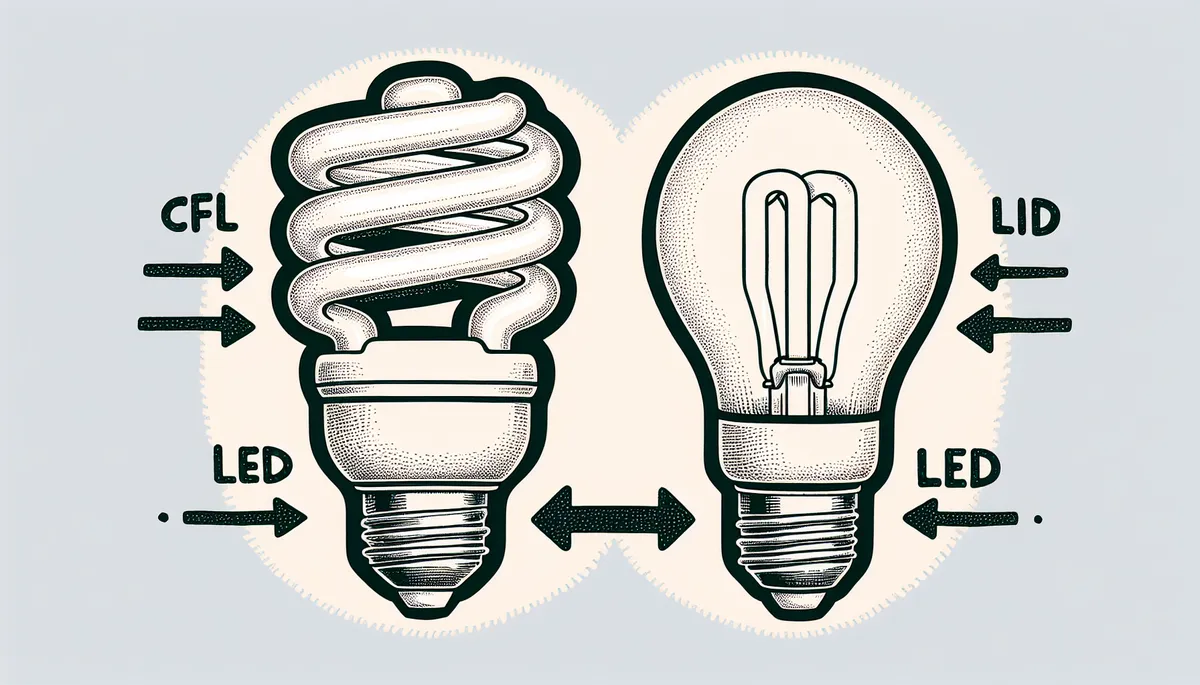
When stacking them up against the competition, the incandescent bulb is barely in the race anymore. In many places, standard incandescents are actually being phased out by government regulations because they are so inefficient. The CFL is a logical, cost-effective successor for the budget-minded renter or homeowner. It fits in the same socket, costs very little upfront, and pays for itself in energy savings within months.
However, we have to address the modern heavyweight champion: the LED (Light Emitting Diode). How do **CFL Bulbs** compare to LEDs? Truthfully, LEDs are even more efficient and last longer than CFLs. However, CFLs can still be cheaper to buy upfront in some multipacks. While LEDs are the future, CFLs remain a viable "middle ground" technology that is vastly superior to incandescent and widely available for quick replacements without breaking the bank.
Integration With Other Features
For the tech-savvy homeowner looking to integrate smart home devices, CFLs can still play a role in a modern ecosystem. While you won't find many "Smart CFLs" with built-in Wi-Fi (that tech is mostly reserved for LEDs), standard CFLs work perfectly fine with smart plugs. You can plug a lamp with a CFL bulb into a smart outlet and control it from your phone. This allows you to turn off lights you forgot about while you're at work, ensuring you aren't paying for electricity you aren't using.
Integrating these bulbs with other tech, like smart thermostats, creates a holistic approach to energy saving. Imagine your smart thermostat lowering the heat when you leave, while your app ensures your CFL Bulbs are turned off via smart switches. It’s about creating a system where technology does the heavy lifting for you. This combination of efficient hardware (the bulb) and smart software (the app) is the ultimate strategy for the modern, eco-conscious family.

Pros and Cons of CFL Bulbs

Let’s summarize the pros. CFL Bulbs are energy-efficient, widely available, and relatively inexpensive to purchase. They fit into standard sockets, making installation incredibly easy—no electrician required. They offer a significant reduction in utility costs and come in various brightness levels and colors. For a budget friendly retrofit of a whole house quickly, they are a strong contender.
Now, we have to be honest about the downsides. The biggest downfall of a CFL is the mercury content. While the amount is tiny (about enough to cover the tip of a ballpoint pen), it means you have to be careful. If a bulb breaks, you shouldn't just vacuum it up; you need to follow specific cleanup procedures to avoid inhaling the dust. This also means you can't just throw them in the regular trash when they burn out.
Another quirk of CFL Bulbs is their sensitivity to temperature and "warm-up" time. Unlike LEDs or incandescents that are instant-on, a CFL might take a minute or two to reach full brightness, especially in a cold room or outdoor fixture. They also don't always play nice with dimmer switches. Unless you buy a specific "dimmable" CFL, putting one on a dimmer circuit can cause it to flicker or burn out prematurely.
CFL Brands and Types

If you decide to stock up, sticking to reputable brands is key for longevity and light quality. Brands like GE, Philips, Sylvania, and TCP have been manufacturing **CFL Bulbs** for years and generally offer better quality control than generic knock-offs. A quality bulb from a good brand is less likely to have that annoying hum or flicker that gave early fluorescent lights a bad reputation.
At the end of the day, managing a home is about making smart choices that balance cost, comfort, and conscience. By understanding how CFL Bulbs work and where they fit into your energy plan, you are taking ownership of your footprint. It’s a small step—just a twist of the wrist—but it puts money back in your pocket and helps the planet, giving you a little more peace of mind when you finally sit down to relax after a hard day's work.

Scott LeDuc is a master electrician who writes about practical smart-home upgrades that cut utility bills and reduce waste. Across more than 15 years in renewables, he has personally installed hundreds of energy and automation systems and managed thousands more through his business. He holds Master Electrician licenses in several states and OSHA 10 and 30 training. Find more at seamlesshome.com. Everything he shares is tested in his own home.