Ecobee Smart Thermostat, Upgrade Your Home's IQ
Ecobee Smart Thermostat: Your Guide to Smarter Home Energy Savings
The Ecobee smart thermostat represents one of the most practical investments you can make in your home's energy efficiency, combining cutting-edge technology with user-friendly features that don't require an engineering degree to understand. This intelligent device learns your schedule, adjusts temperatures automatically, and can be controlled from anywhere using your smartphone—all while helping you save money and reduce your environmental footprint. Whether you're renting or own your home, understanding how this technology works can empower you to take real control over your energy consumption without sacrificing comfort.

What Is Ecobee
The Ecobee smart thermostat is essentially a Wi-Fi-enabled temperature control system that replaces your traditional thermostat, but it does so much more than just turn your furnace or air conditioner on and off. At its core, the device uses advanced sensors, machine learning algorithms, and internet connectivity to optimize your home's climate control based on occupancy, weather forecasts, and your personal preferences. Unlike the old programmable thermostats that required complicated button sequences to set schedules, Ecobee features an intuitive touchscreen interface and smartphone app that makes adjustments as simple as checking your email. The system includes remote sensors that can be placed in different rooms throughout your home, ensuring that the thermostat responds to the actual temperature where you spend your time rather than just where the main unit is mounted on the wall.
Smart Remote Sensors
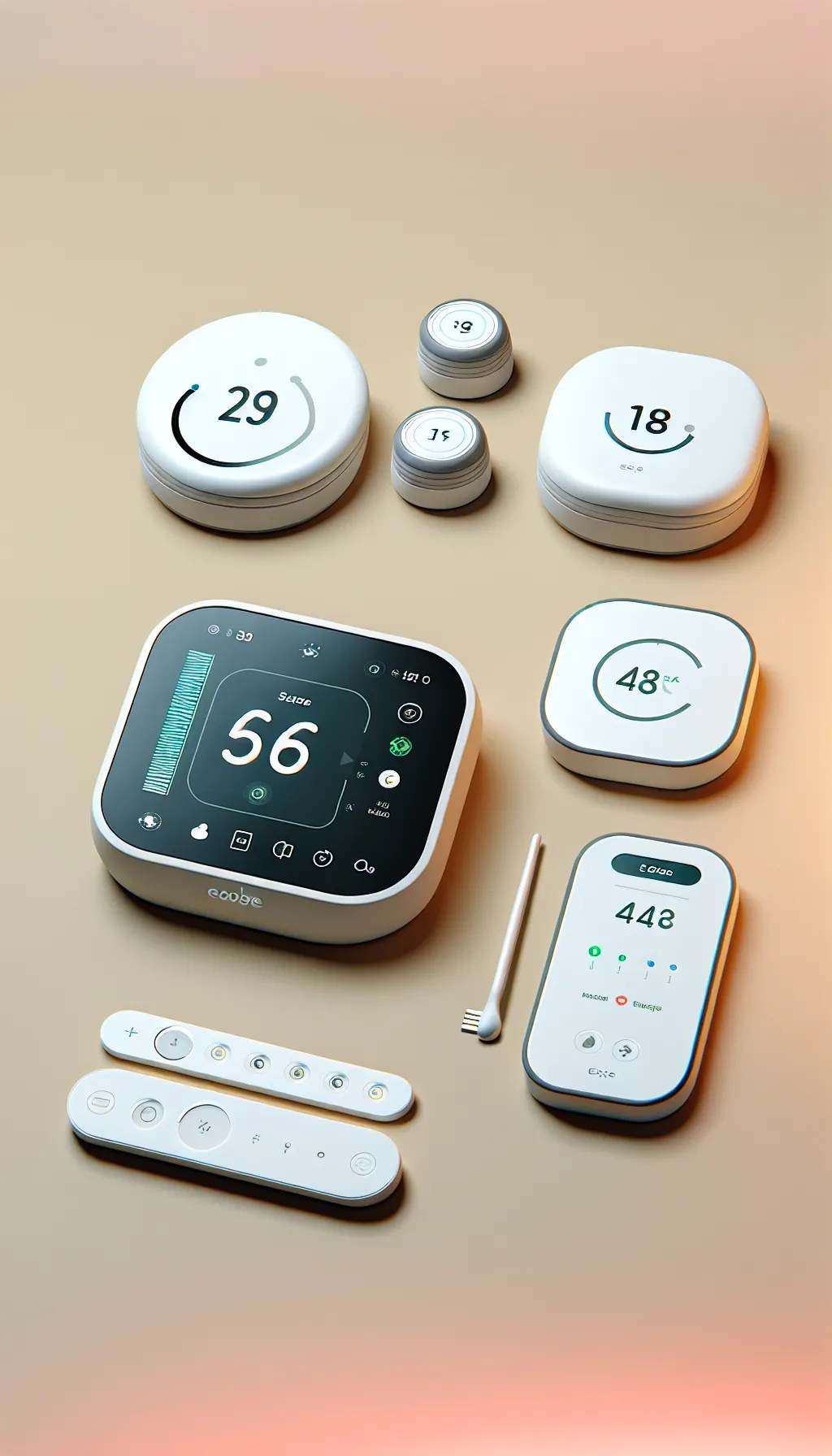
One of the standout features that sets Ecobee apart is its SmartSensor technology, which addresses a common problem in many homes: uneven heating and cooling. Most traditional thermostats only measure temperature in one location—typically a hallway—which means your bedroom might be freezing while the living room is comfortable, or vice versa. Ecobee's wireless sensors can be placed in up to 32 different rooms, and the system averages the temperatures or prioritizes specific rooms during certain times of day. For example, you can tell the system to focus on bedroom temperatures at night and living areas during the day, ensuring comfort where it matters most while avoiding the energy waste of heating or cooling empty spaces. This intelligent approach to climate control is one of the key reasons why Ecobee users report significant energy savings compared to conventional thermostats.
Ecobee Savings
When it comes to energy savings, the numbers speak for themselves and make a compelling case for upgrading to an Ecobee smart thermostat. According to Ecobee's own data compiled from thousands of users, homeowners save an average of 23% on their heating and cooling costs after installing the device. For a typical household spending $1,800 annually on HVAC energy, that translates to approximately $414 in savings per year. These savings come from multiple sources: the thermostat's ability to automatically adjust temperatures when you're away or asleep, its learning capabilities that optimize heating and cooling cycles, and the detailed energy reports that help you identify wasteful patterns in your usage. Many utility companies recognize these benefits and offer rebates ranging from $50 to $150 for purchasing Energy Star certified smart thermostats like Ecobee, which can significantly reduce your upfront investment and shorten the payback period to less than a year in many cases.
Green Energy and Environmental Impact
The environmental benefits of using an Ecobee extend far beyond your personal utility bill, contributing to broader energy efficient home ideas that collectively make a real difference in reducing carbon emissions. By optimizing your HVAC system's operation, you're not just saving money—you're reducing the amount of electricity or natural gas your home consumes, which directly translates to fewer greenhouse gas emissions from power plants. If every household in North America replaced their traditional thermostat with a smart model like Ecobee, the cumulative energy savings would be equivalent to taking millions of cars off the road. The device also provides monthly "Home IQ" reports that show your energy consumption patterns, compare your usage to similar homes in your area, and offer personalized tips for further reducing your environmental impact. For environmentally conscious homeowners who want to do their part in fighting climate change, this combination of personal savings and planetary benefit creates a win-win scenario that's hard to ignore.
The Competition
Understanding how Ecobee compares to its main competitors—primarily the Google Nest, Ring and Honeywell Home thermostats—helps you make an informed decision about which smart thermostat best fits your needs. Ecobee's most significant advantage is the inclusion of a remote sensor in the box with most models, whereas Nest charges extra for their sensors and Honeywell offers limited sensor compatibility. The Ecobee interface is generally considered more straightforward and less "learning-dependent" than Nest, which relies heavily on automatically detecting patterns but can take weeks to optimize and sometimes makes incorrect assumptions about your preferences. Ecobee also features a built-in Alexa speaker in many models, eliminating the need for a separate smart speaker in that room, while Nest requires Google Assistant devices for voice control. On the flip side, Nest thermostats are often praised for their sleeker, more minimalist design, and Google's ecosystem integration may appeal more to users already invested in Google Home products.
Ecobee Smart Thermostat Price
Price-wise, the Ecobee smart thermostat lineup offers options for different budgets and feature requirements. The flagship Ecobee SmartThermostat Premium typically retails for around $249 and includes a SmartSensor, built-in air quality monitor, and advanced features like radar-based occupancy detection. The mid-range Ecobee SmartThermostat with Voice Control costs approximately $199 and includes most essential smart features plus Alexa integration. For budget-conscious shoppers, the Ecobee3 Lite runs about $169 but lacks the voice control features and some advanced sensors, though it still delivers the core smart scheduling and remote access capabilities. When you factor in utility rebates, tax credits for energy-efficient home improvements, and the annual savings on your energy bills, even the premium model typically pays for itself within 12-18 months, making it a sound financial investment rather than just a gadget purchase.
DIY Installation

Installation of an Ecobee smart thermostat is surprisingly manageable for most DIY-inclined homeowners, even those without extensive electrical experience. The process typically takes 30-45 minutes and requires only basic tools: a screwdriver, your smartphone, and perhaps a drill if you're mounting the remote sensors. Before you begin, it's important to verify that your HVAC system is compatible with Ecobee—the company provides an online compatibility checker where you can enter your current thermostat's wiring configuration. Most systems with a C-wire (common wire) that provides continuous power work seamlessly, and Ecobee includes a Power Extender Kit (PEK) for systems that lack this wire, though installing the PEK requires accessing your furnace control board. The actual thermostat installation involves turning off power at your breaker, removing your old thermostat, photographing the existing wire connections for reference, connecting the wires to the corresponding terminals on the Ecobee backplate, and mounting the thermostat.
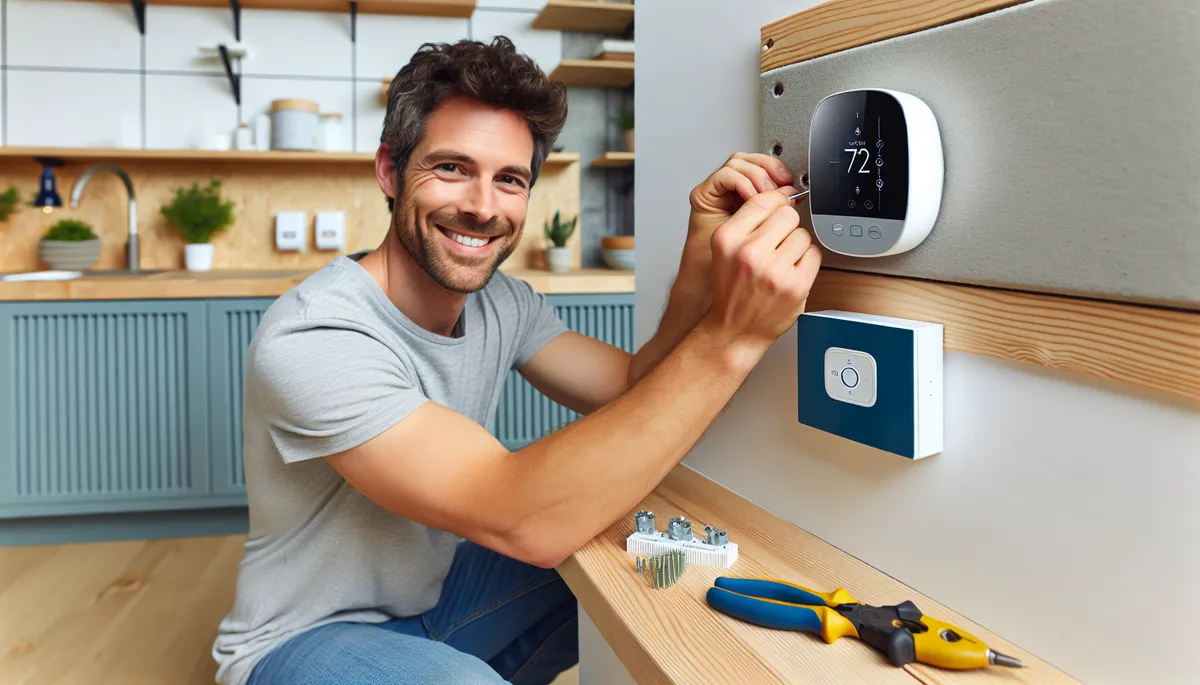
The step-by-step installation process is well-documented through Ecobee's app, which provides interactive guidance with photos and videos tailored to your specific wiring configuration. After physically mounting the device, you'll power your system back on and follow the on-screen prompts to connect the thermostat to your Wi-Fi network, create an Ecobee account, and configure your basic settings like system type, heating and cooling stages, and initial temperature preferences. The app will walk you through testing your heating, cooling, and fan to ensure everything is wired correctly before you start using the system. For homeowners who aren't comfortable working with electrical systems or who have complex HVAC setups like multi-stage heating, heat pumps with auxiliary heat, or zoned systems, hiring an HVAC technician for installation typically costs $100-200 and ensures everything is configured correctly from the start—a worthwhile investment for peace of mind.
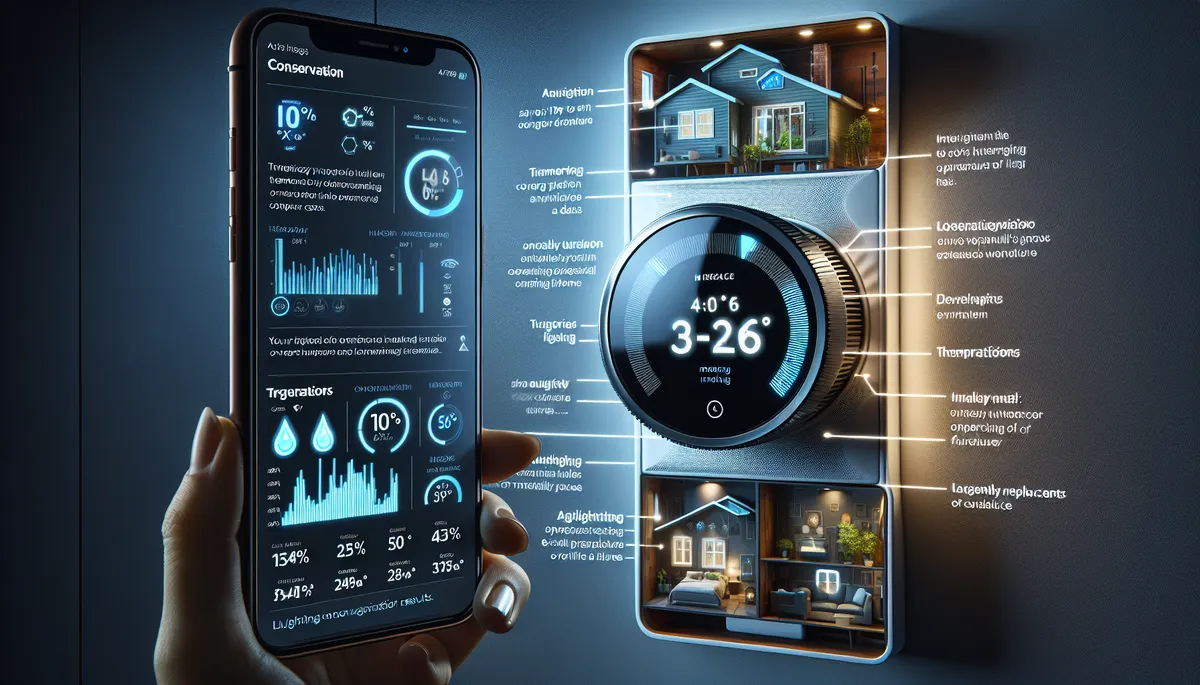
Once installed, the smartphone compatibility and capability of the Ecobee system truly shine, transforming how you interact with your home's climate control. The Ecobee mobile app, available for both iOS and Android devices, provides complete control over your thermostat from anywhere with an internet connection. Forgot to turn down the heat before leaving for a weekend trip? Adjust it from the airport. Want to warm up the house before you arrive home from work? Set the temperature from your office. The app displays current temperature readings from all your sensors, shows you which rooms are occupied, and allows you to create custom comfort settings for different scenarios—"Home," "Away," "Sleep," and any custom settings you define. The interface is intuitive enough that you can navigate it while waiting in the school pickup line or during your lunch break, making it easy to optimize your energy usage even with a busy schedule.
Reporting and Scheduling
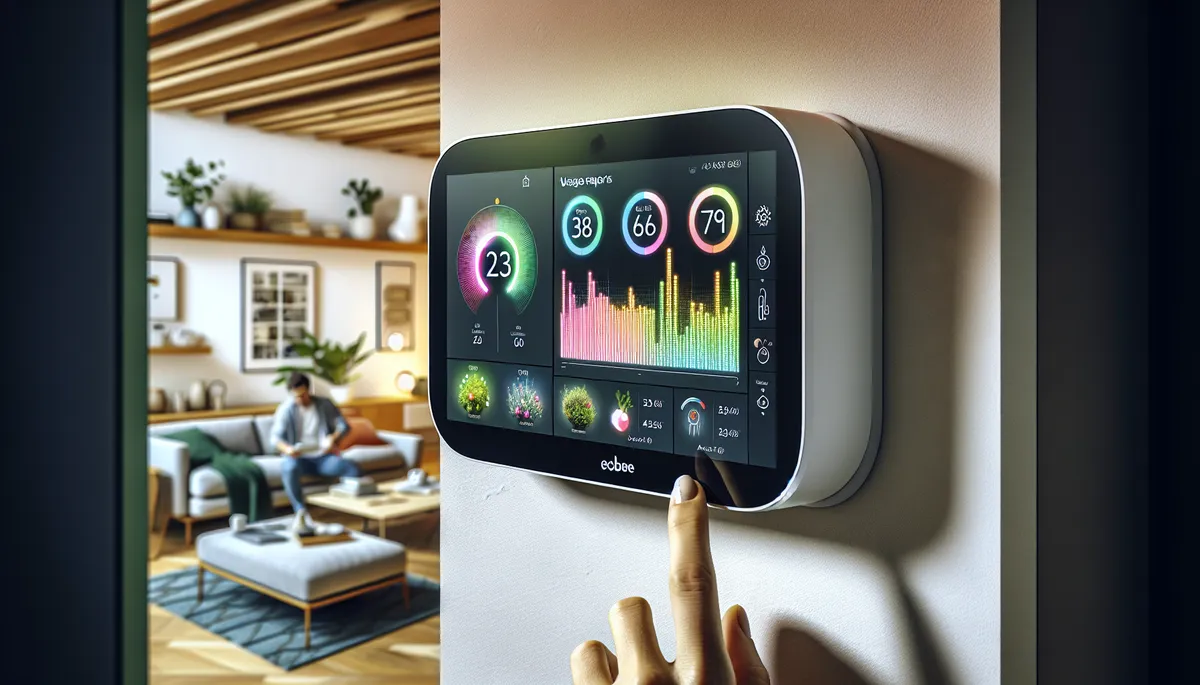
Beyond basic temperature control, the Ecobee app provides valuable insights through its Home IQ feature, which generates detailed reports about your HVAC system's performance and energy consumption. You can see exactly how many hours your heating or cooling ran each day, how outdoor temperature affected your energy usage, and how your consumption compares to previous months or similar homes in your region. These reports help you identify patterns—maybe you'll notice that your system runs excessively on certain days, indicating a possible insulation problem or a door left open. The app also tracks your savings over time, showing you the real-world financial impact of your smart thermostat investment. For someone working full-time and trying to manage household expenses, having this level of visibility into one of your home's largest energy consumers empowers you to make informed decisions about comfort versus cost.
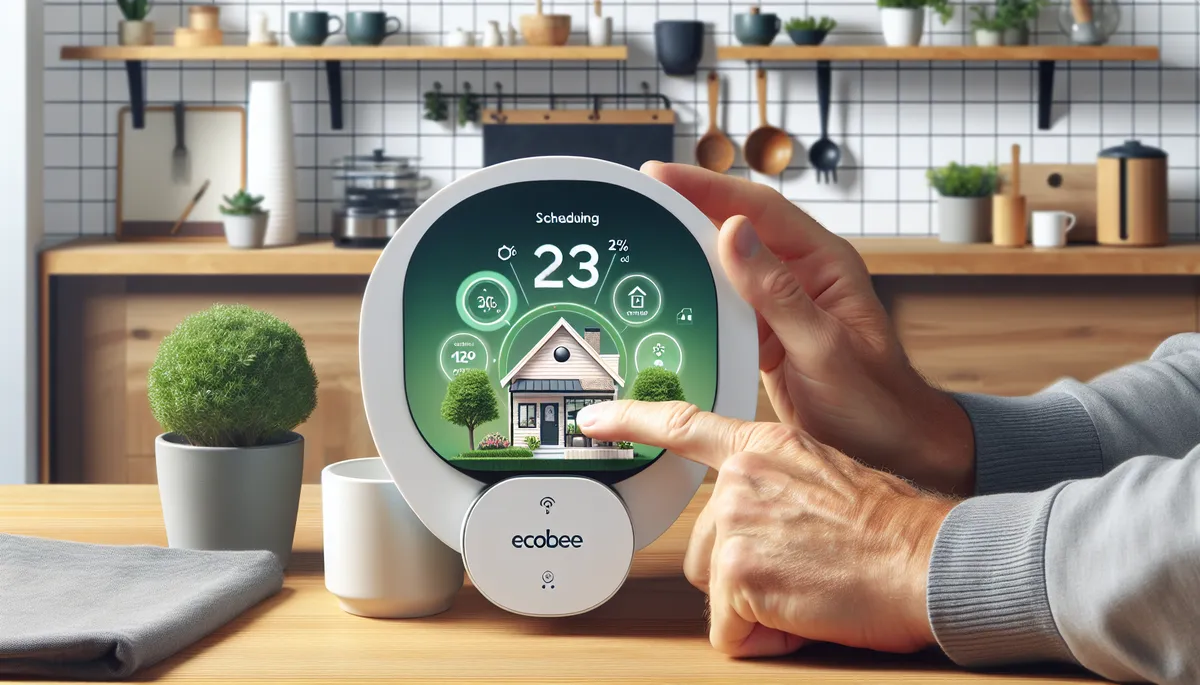
The scheduling capabilities of Ecobee represent a significant upgrade over traditional programmable thermostats and contribute substantially to energy savings. Rather than setting rigid time-based schedules that don't account for life's unpredictability, Ecobee uses geofencing technology that detects when your smartphone leaves or approaches your home, automatically switching between Home and Away modes. If you have an irregular schedule—sometimes working from home, sometimes at the office, occasionally running errands mid-day—the system adapts without requiring constant manual adjustments. You can also create multiple schedules for weekdays versus weekends, or customize individual days when your routine differs. The "Smart Home/Away" feature uses the occupancy sensors to override scheduled settings if it detects someone is home when the system expected the house to be empty, ensuring comfort while still maximizing efficiency when the house is truly unoccupied.
Integration
Integration with other smart home platforms and devices makes Ecobee a central component of a broader home automation strategy. The thermostat works seamlessly with Amazon Alexa, Google Assistant, Apple HomeKit, Samsung SmartThings, and IFTTT (If This Then That), allowing you to create sophisticated automation routines. For example, you could set up a "Good Morning" routine that adjusts the thermostat, turns on lights, and starts your coffee maker with a single voice command or app tap. The built-in Alexa functionality in many Ecobee models means the thermostat itself can control other smart devices, answer questions, play music, or make announcements to other Alexa devices in your home. This integration potential means your Ecobee investment grows more valuable as you add other smart home devices, creating an ecosystem that works together to reduce energy consumption—like automatically adjusting the thermostat when smart sensors detect windows are open, or coordinating with smart blinds to manage solar heat gain.
Real World Feedback
Real-world user experiences with Ecobee smart thermostats are overwhelmingly positive, though understanding both the advantages and potential challenges helps set realistic expectations. Users consistently praise the energy savings, with many reporting 20-30% reductions in their heating and cooling costs, particularly in larger homes or those with multiple zones. The remote sensor functionality receives high marks from families who struggled with temperature inconsistencies between rooms. The interface is frequently described as intuitive and responsive, and customer support is generally rated as helpful and accessible. On the challenge side, some users report initial setup confusion with complex HVAC systems, occasional Wi-Fi connectivity issues that require router adjustments, and a learning curve for maximizing all the advanced features. A few users with older HVAC systems have needed professional help to install the Power Extender Kit or address compatibility issues.
Ecobee Maintenance
Maintenance and long-term ownership of an Ecobee smart thermostat requires minimal effort, making it ideal for busy homeowners who don't want another complicated system to manage. The device itself has no moving parts and requires no regular maintenance beyond occasionally wiping the screen with a soft cloth. The system will remind you when it's time to change your HVAC filter based on runtime hours, helping you maintain your heating and cooling equipment properly—a feature that alone can extend your HVAC system's lifespan and prevent costly repairs. Software updates are delivered automatically over Wi-Fi, continuously improving functionality and adding new features without any action required on your part. The remote sensors run on standard batteries that typically last 2-3 years, and the system notifies you well in advance when batteries are running low. Ecobee offers a 3-year warranty on their thermostats, significantly longer than the industry standard, demonstrating confidence in their product's reliability.
For Renters
For renters who might be hesitant to invest in a smart thermostat for a property they don't own, the Ecobee actually makes considerable sense as a portable investment in comfort and savings. The installation process is completely reversible—you can easily reinstall your original thermostat when you move out and take the Ecobee with you to your next home. Since most rental agreements allow tenants to make minor improvements like changing thermostats as long as they restore the original condition upon leaving, you can enjoy the benefits of smart climate control and lower utility bills (which you're likely paying anyway) throughout your tenancy. The energy savings often exceed $30-40 per month during peak heating and cooling seasons, which quickly justifies the investment even if you're only planning to stay in your current rental for a year or two. Some progressive landlords even appreciate tenants who install energy-efficient devices, as it can reduce wear on HVAC systems and demonstrate responsible property stewardship.
The learning curve for maximizing your Ecobee's potential is gentler than you might expect, especially for someone comfortable with smartphone apps and basic technology. You can start with the simple basics—setting your desired home and away temperatures—and gradually explore more advanced features as you become comfortable with the system. The Ecobee app includes helpful tutorials and tips that appear contextually as you use different features, and the company's website offers comprehensive video guides for everything from installation to creating complex schedules. Many users find that they discover new useful features months after installation, like the vacation mode that maintains minimal heating or cooling while you're away for extended periods, or the threshold settings that prevent heating and cooling from fighting each other during temperature swings. The key is not to feel overwhelmed by all the capabilities upfront—even using just the basic smart scheduling and remote access features delivers substantial energy savings and convenience.

Scott LeDuc is a master electrician who writes about practical smart-home upgrades that cut utility bills and reduce waste. Across more than 15 years in renewables, he has personally installed hundreds of energy and automation systems and managed thousands more through his business. He holds Master Electrician licenses in several states and OSHA 10 and 30 training. Find more at seamlesshome.com. Everything he shares is tested in his own home.