Smart Home Gadgets That Save Money and Energy
Smart home gadgets have quietly become one of the most practical, affordable, and genuinely exciting ways for everyday homeowners and renters to take back control of their energy bills, simplify their daily routines, and do something real and meaningful for the environment. This isn't science fiction, and it's not just for tech millionaires with custom-built mansions. This is for you — the hardworking person who wants to make smarter choices at home without turning it into a second job.
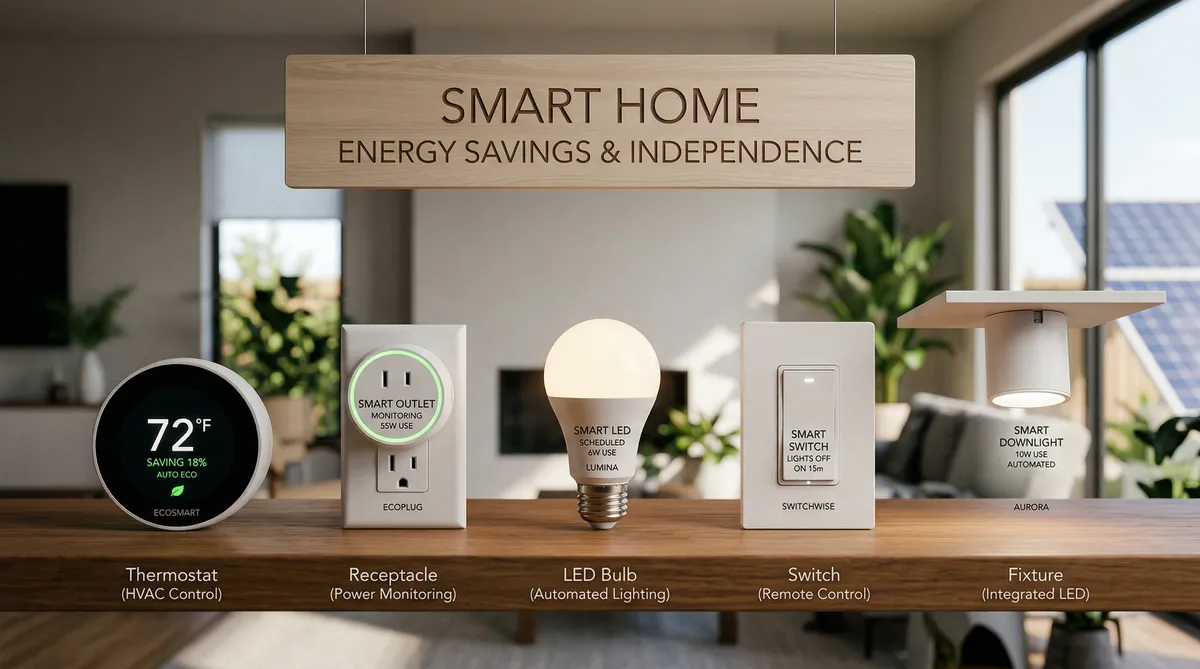
The concept of smart home automation can sound intimidating at first, but here's the truth: most of these devices are designed to be installed by regular people in under 30 minutes, with nothing more than a screwdriver and a smartphone. The ecosystem of smart home gadgets has exploded over the last several years, and competition among manufacturers has driven prices down to a point where the return on investment is genuinely impressive. We're talking about devices that pay for themselves within months through energy savings alone. Whether you own your home or rent it, whether you're in a 900-square-foot apartment or a 2,500-square-foot house, there are smart home gadgets that will fit your space, your lifestyle, and your budget.
Smart Light Switches
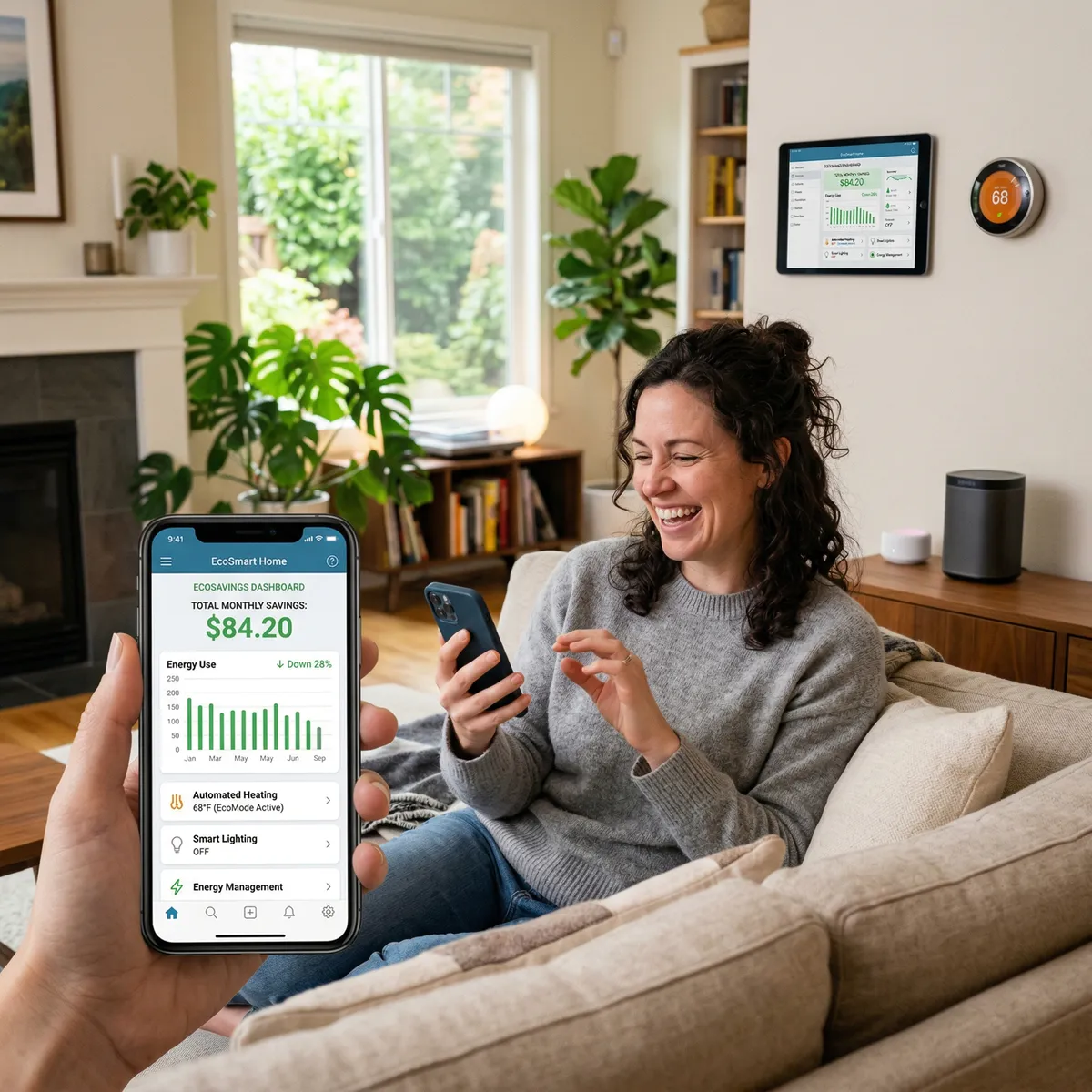
Let's start with one of the most popular and impactful upgrades you can make: the **smart light switch**. A smart light switch replaces your existing wall switch and connects to your home's Wi-Fi network, allowing you to control your lights from your smartphone, set schedules, or have them turn off automatically when you leave the house. Brands like **Kasa by TP-Link**, **Lutron Caseta**, and **Leviton Decora** offer excellent smart light switch options . The Kasa Smart Wi-Fi Light Switch (model EP25) is a fan favorite and affordable. Lutron Caseta is considered the gold standard for reliability and includes a hub and works flawlessly with Alexa, Google Home, and Apple HomeKit. Installing a smart light switch in high-traffic areas like your living room, kitchen, or hallway can eliminate the "did I leave the lights on?" anxiety forever — because you can check and turn them off right from your phone, even from work.
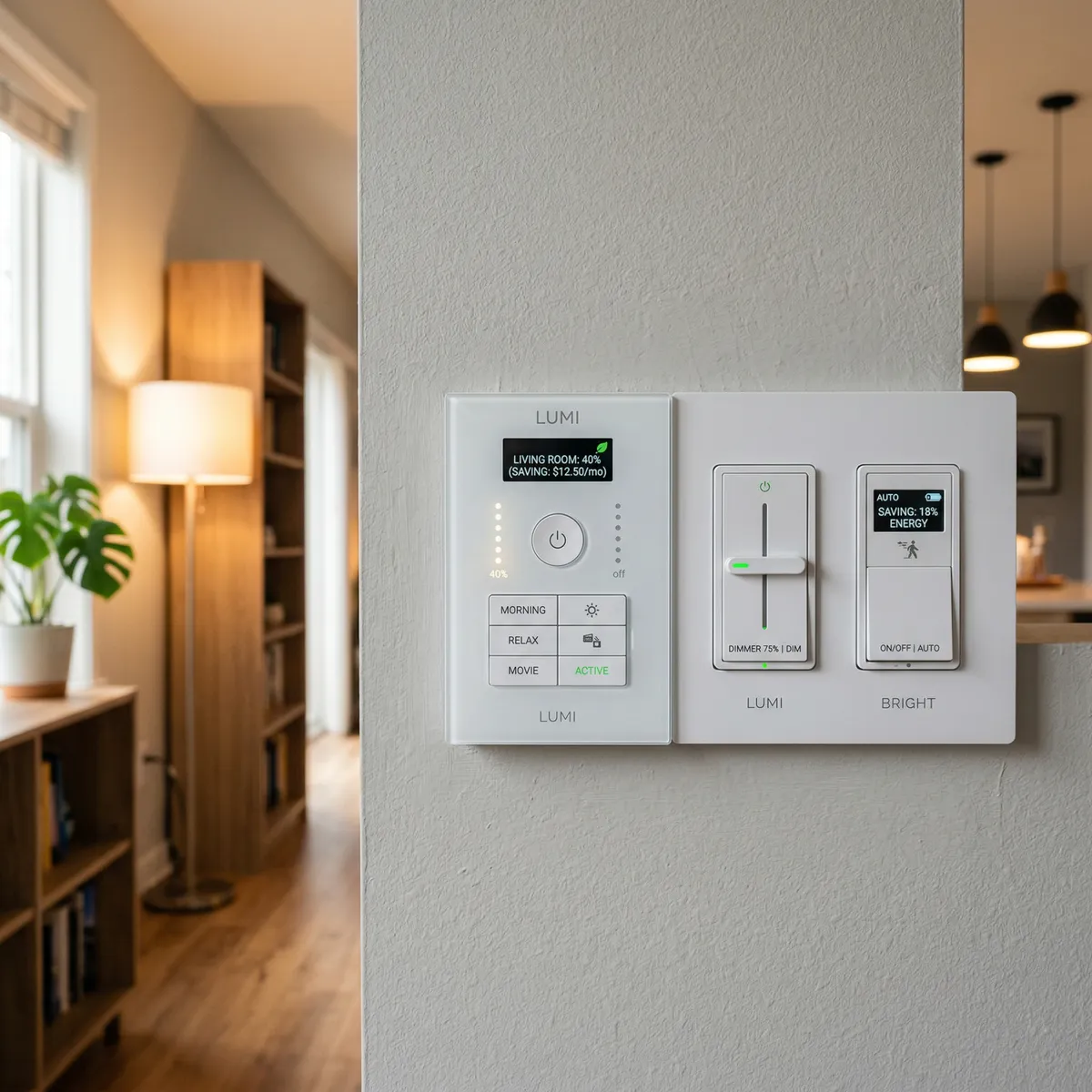
Beyond individual switches, **smart dimmers** are a brilliant upgrade that pair perfectly with LED bulbs. A smart dimmer lets you reduce the brightness of your lights, which directly reduces the energy they consume. Running a light at 70% brightness instead of 100% can cut its energy use significantly, and over the course of a year across multiple rooms, those savings add up. The **Lutron Caseta Wireless Smart Dimmer** is one of the most trusted on the market at around **$50–$60**, and the **Kasa Smart Dimmer Switch (HS220)** is a budget-friendly alternative at about **$20–$25**. Smart dimmers also create ambiance — movie night, dinner parties, or just winding down before bed all feel better with the right lighting level, and you can set scenes and schedules, so your home adjusts automatically without you lifting a finger.
Smart Home Receptacles -The wall thing your plug stuff into
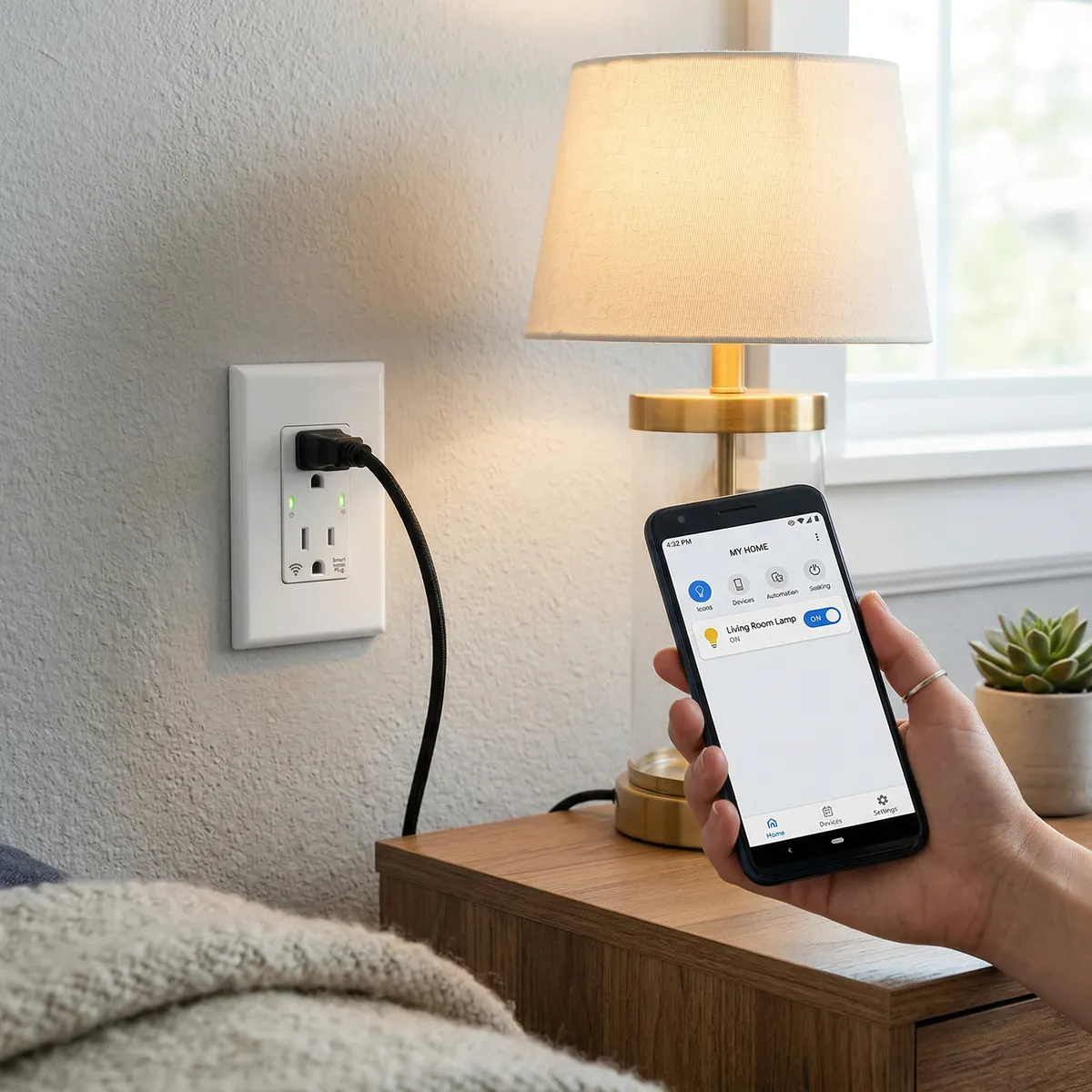
Smart plugs and smart receptacle are arguably the easiest entry point into the smart home gadgets world, especially for renters who can't modify their walls. A smart plug simply plugs into your existing outlet and gives any device plugged into it — a lamp, a fan, a coffee maker, a space heater — the ability to be controlled remotely, scheduled, or automated. Most integrate seamlessly main smart home hubs like Alexa. For those who want to go a step further, **smart power strips** offer multiple individually controlled outlets which is perfect for your entertainment center where devices like TVs, gaming consoles, and cable boxes quietly drain energy even when you think they're off — a phenomenon known as "phantom load" or "vampire power."
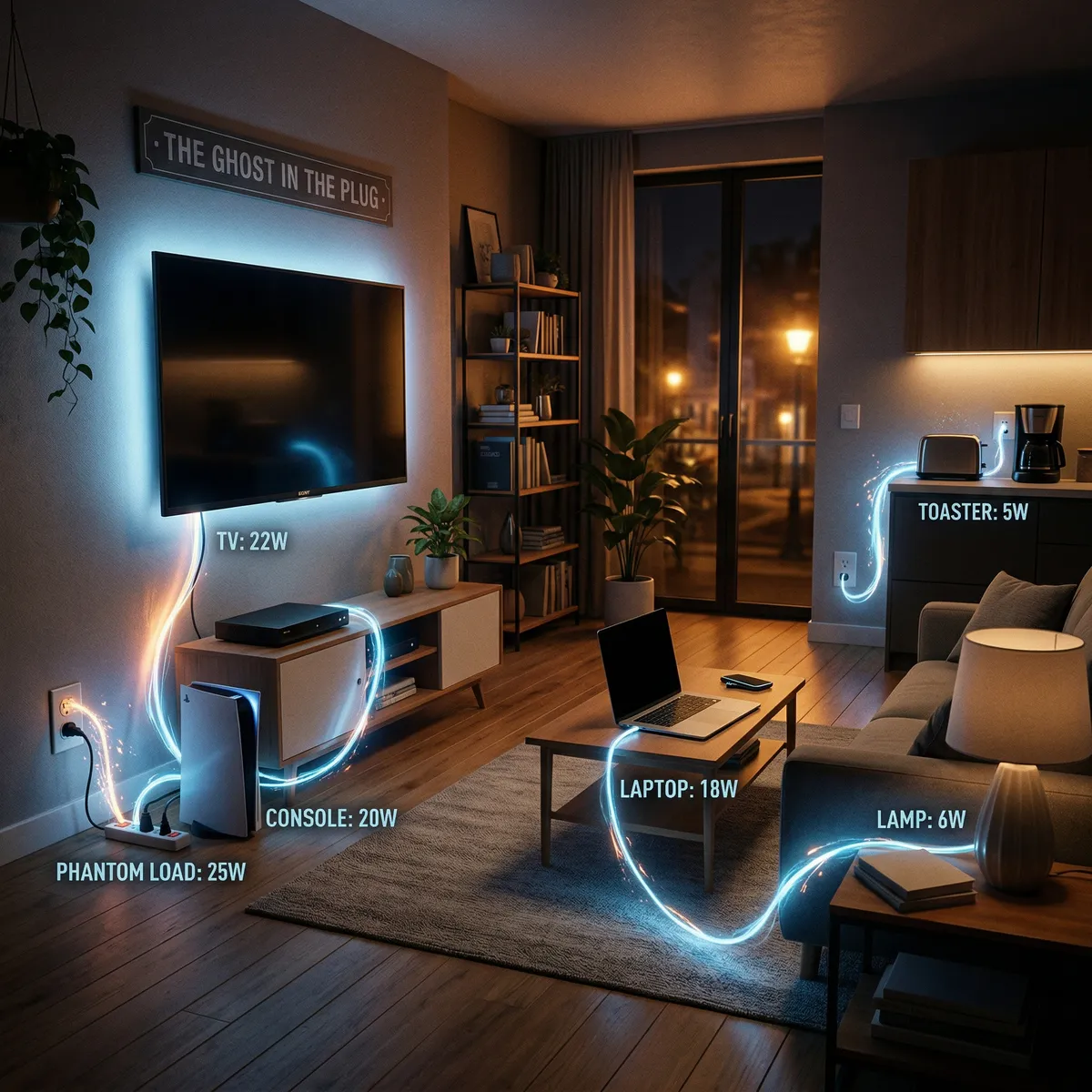
Speaking of phantom load — this is one of the sneakiest energy wasters in your home and most people have no idea it's happening. Electronics that are plugged in but not actively in use still draw power. Your TV, your microwave, your gaming console, your phone charger — they're all sipping electricity 24/7. Studies suggest that phantom load can account for **5% to 10% of your home's total electricity use**. Over the course of a year, that can translate to **$100–$200 or more** on your energy bill, depending on your home size and electricity rates. Smart plugs and smart power strips solve this problem elegantly by letting you cut power completely to devices on a schedule or with a single tap on your phone. It's one of those small changes that quietly makes a big difference month after month.
Smart Home Thermostats
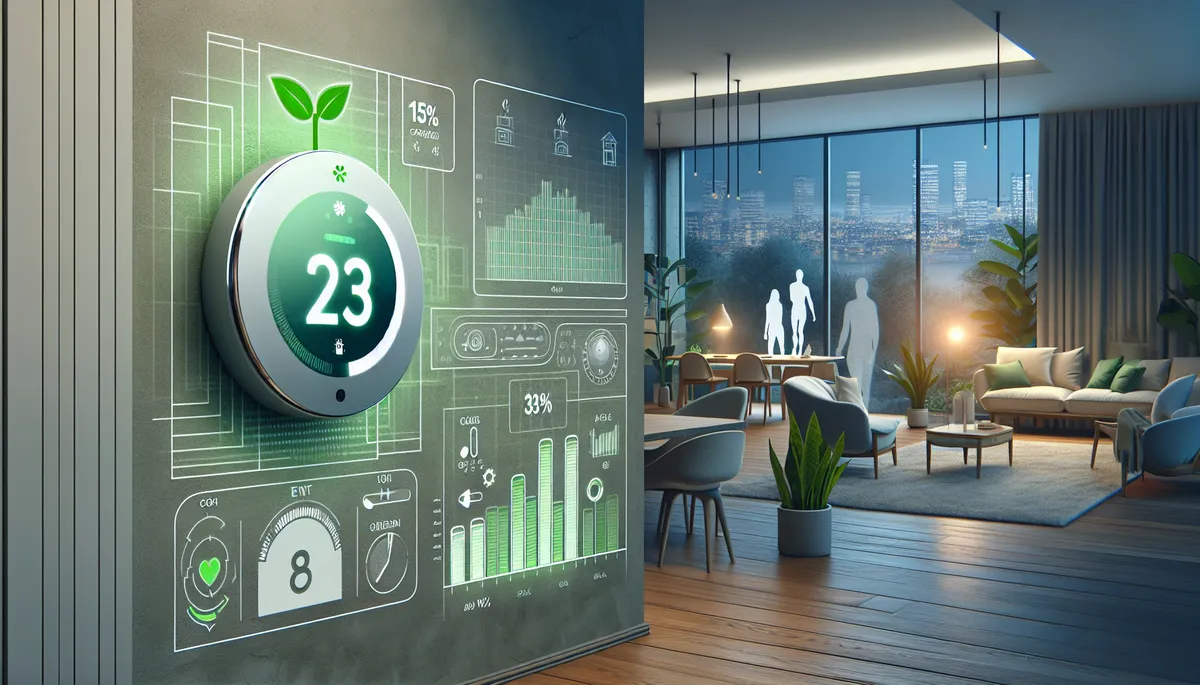
One of the most impactful smart home gadgets you can install is a smart thermostat. If there's one device that truly earns its keep and then some, it's this one. Heating and cooling account for roughly **50% of the average home's energy use**, which means this is where the biggest savings opportunity lives. Smart home thermostats literally learn your schedule and preferences over time, adjusting your home's temperature automatically to save energy when you're away and be comfortable when you're home. Some Brands, like ecobee, come with a room sensor that detects occupancy, so it heats or cools only the rooms that are actually being used. For a more budget-friendly entry, the **Amazon Smart Thermostat** (developed with Honeywell) retails for around **$60–$80** and still delivers solid energy savings and smartphone control. According to Google, Nest users save an average of **10–12% on heating and 15% on cooling** — which for many households means the thermostat pays for itself in under a year.
Smart LEDs
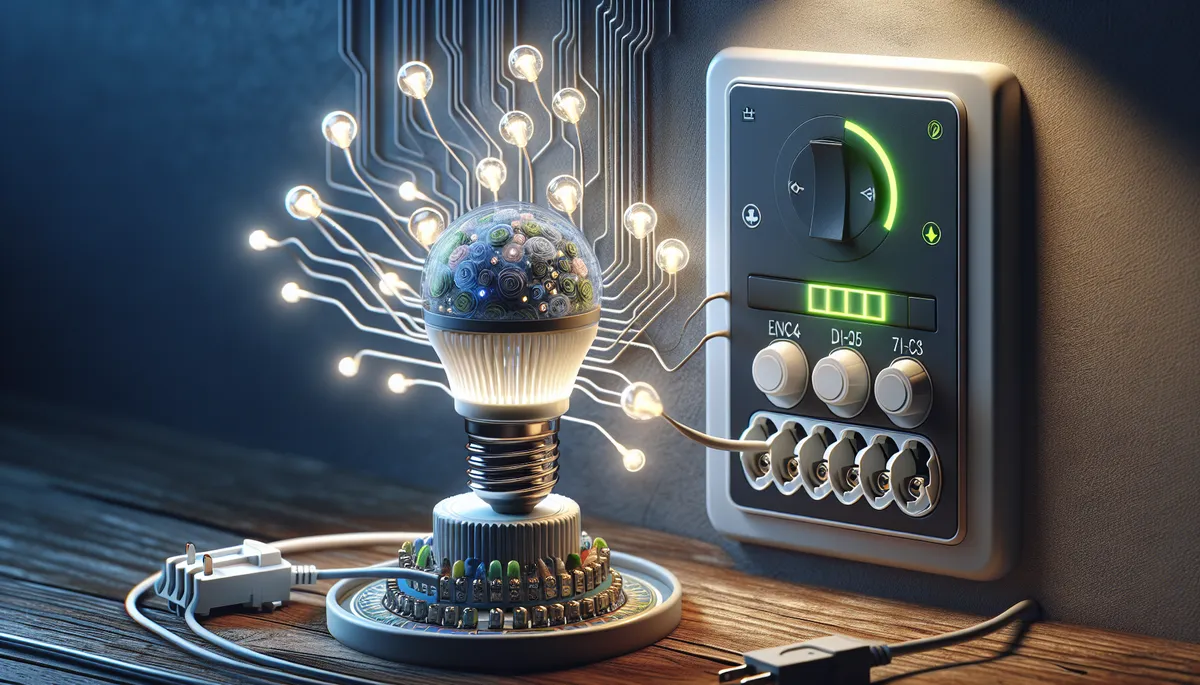
Let's talk about **smart lighting bulbs** — specifically, **LED smart bulbs** — because they represent one of the most accessible entry points into the smart home ecosystem. Brands like **Philips Hue**, **LIFX**, **Seng led**, and **Wyze** offer smart LED Bulbs that screw into any standard light socket and connect to your Wi-Fi or a hub. The energy savings from LED bulbs alone are substantial — an LED uses about **75% less energy** than a traditional incandescent bulb and lasts **15–25 times longer**. Add smart scheduling and automation on top of that, and you're looking at a meaningful reduction in your electricity bill every single month. The convenience factor is also real: wake-up routines where lights gradually brighten to simulate sunrise, bedtime routines where lights dim and shift to warm tones, and "away" modes that make your home look occupied while you're on vacation are all possible with smart bulbs.
Ceiling Fans
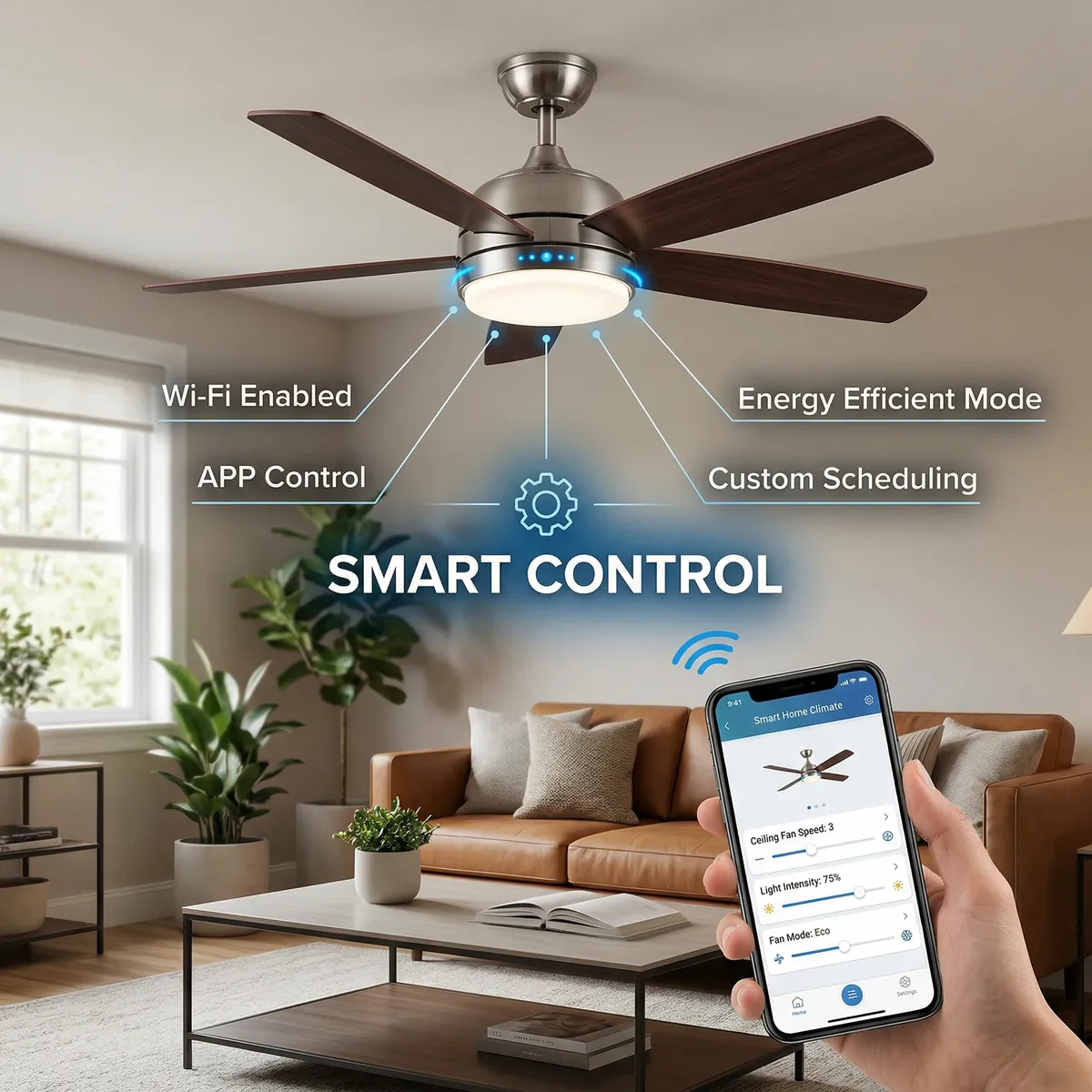
Smart ceiling fan controls are another underrated gem in the smart home gadgets lineup. Ceiling fans are incredibly efficient at moving air and reducing the load on your HVAC system, but only if they're actually being used correctly. In summer, fans should spin counterclockwise to push cool air down. In winter, they should spin clockwise on low speed to recirculate warm air that rises to the ceiling. Most people never change the direction, and many leave fans running in empty rooms — which wastes energy since fans cool people, not rooms. A **smart fan control switch**, like the **Kasa Smart Fan Control (KS500)** at around **$20–$25** or the **Lutron Caseta Fan Speed Control** at about **$40–$50**, lets you control fan speed from your phone, set schedules, and integrate with voice assistants. Some smart fans, like those from **Hunter** or **Minka Aire**, come with built-in smart controls and can be controlled entirely via app or voice command.
Other Smart Home Gadgets
Other Smart Home Gadgets that are highly valuable in the home automation, money saving world are things like,
- Water Leak Detectors
- Door Locks
- Video Doorbells
- Energy Monitors
- Energy Hubs
- EV Chargers
- Outdoor Lighting
- Smoke/CO2 detectors
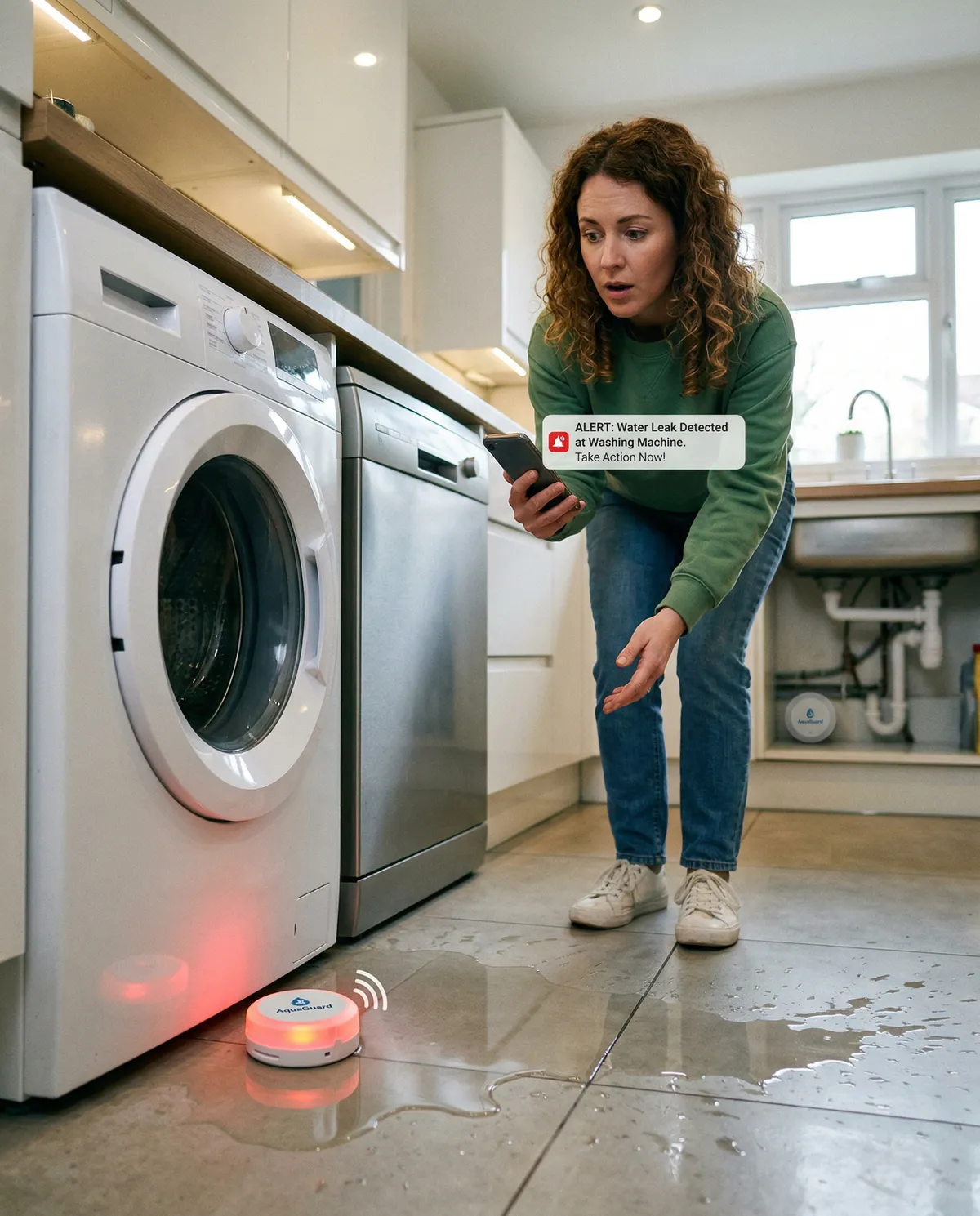
A single water leak left undetected can cause thousands of dollars in damage. Devices like the **Govee Water Sensor** (about **$10–$15 each**) or the **Moen Flo Smart Water Monitor and Shutoff** (about **$400–$500** but it monitors your entire home's water supply and can automatically shut off water if a leak is detected) give you peace of mind that your home is protected even when you're not there.
Smart door locks are one of the most practical smart home gadgets for both homeowners and renters. No more hiding a spare key under the mat, no more worrying about whether you locked the door when you left, and no more fumbling for keys when your hands are full of groceries.
Smart video doorbells pair beautifully with smart locks to create a complete front-door security and convenience system. . These devices don't just add security — they add genuine convenience. You can tell the delivery driver where to leave your package, let in a family member who forgot their key, or simply check who's at the door without getting up from the couch.

Smart home hubs and voice assistants are the glue that holds your smart home ecosystem together. Devices like the **Amazon Echo (4th generation)** at about **$50–$100**, the **Google Nest Hub** at about **$50–$100**, or the **Apple HomePod mini** at about **$99** serve as the central command center for all your smart home gadgets.
Smart energy monitors are a powerful tool for the homeowner who really wants to understand and control their energy usage. Depending on configuration, you can install more affordable options that gives you circuit-level monitoring so you can see exactly how much your HVAC, water heater, dryer, and other major appliances are costing you. This kind of visibility is genuinely eye-opening — most people are shocked to discover which appliances are the biggest energy hogs. Armed with that information, you can make smarter decisions about when to run the dishwasher, whether to upgrade an old appliance, or how to adjust your habits to shave real dollars off your monthly bill.
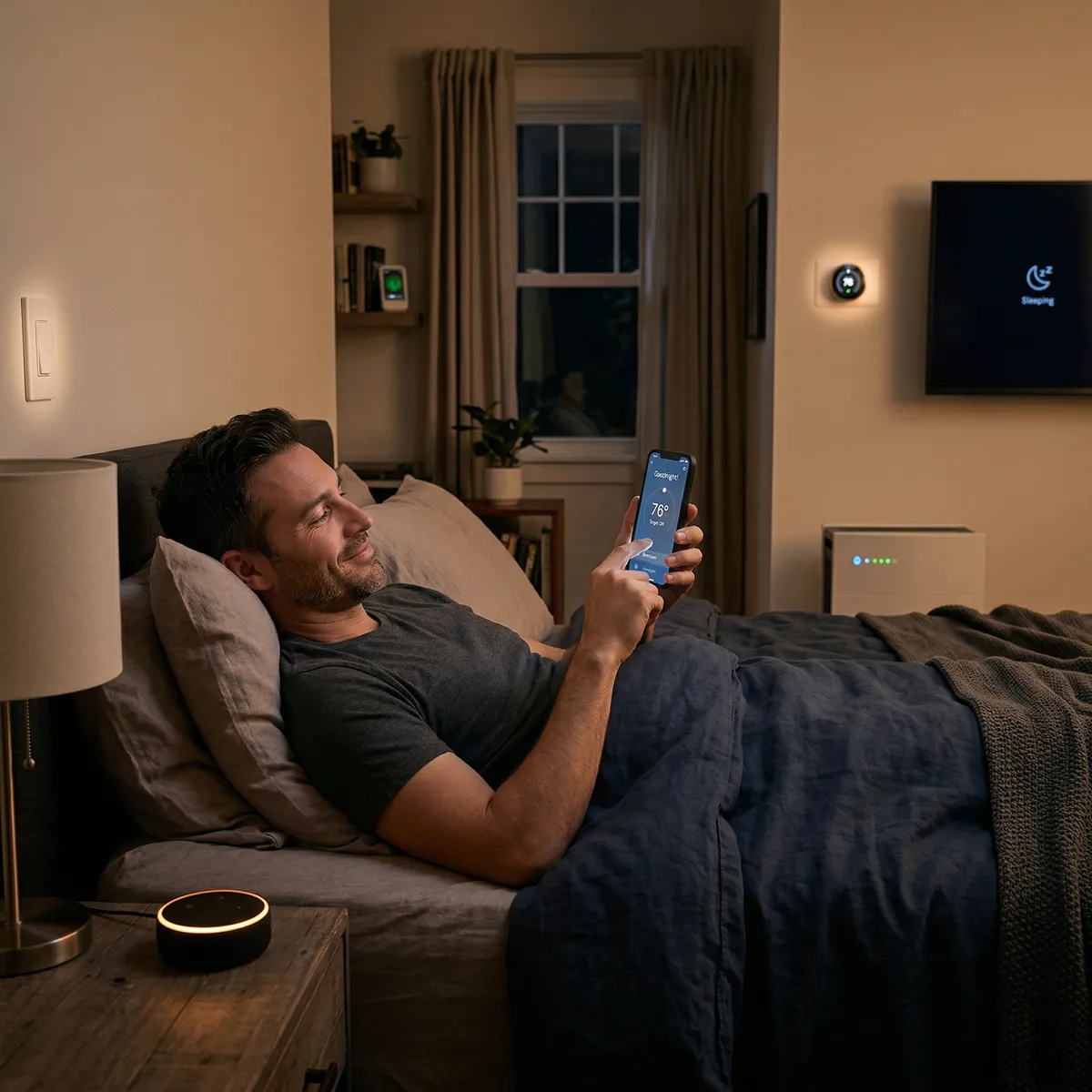
The beauty of building out your smart home gadgets collection is that you don't have to do it all at once. Start with one or two devices that address your biggest pain points or offer the fastest return on investment. A smart thermostat and a handful of smart plugs might be all you need to start seeing real savings on your next utility bill. Then, as you get comfortable with the technology and start seeing the results, you can add more devices gradually.

Scott LeDuc is a master electrician who writes about practical smart-home upgrades that cut utility bills and reduce waste. Across more than 15 years in renewables, he has personally installed hundreds of energy and automation systems and managed thousands more through his business. He holds Master Electrician licenses in several states and OSHA 10 and 30 training. Find more at seamlesshome.com. Everything he shares is tested in his own home.